
Guides from the shop
Well and Septic Inspections in Lake County, Indiana and Porter County
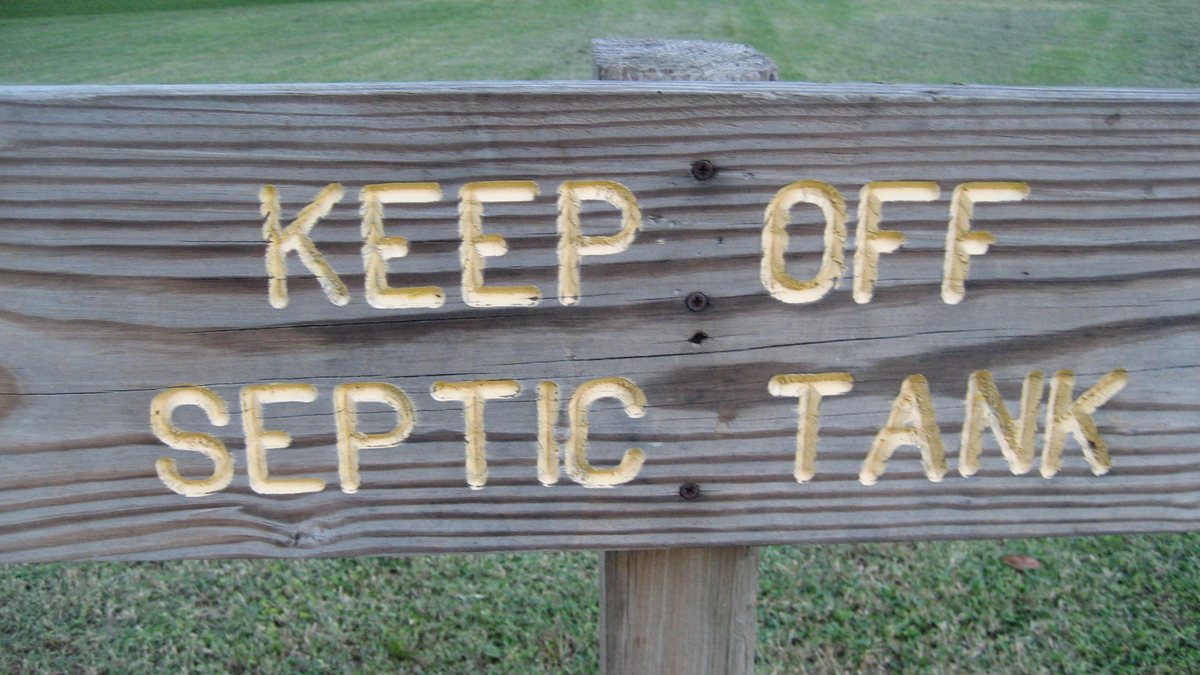
A house on a private well and septic puts the water and the waste on you, not on a utility. Book a well water test and a septic check inside your inspection window when you buy in Lake County or Porter County, and ask your home inspector what their report covers. This is general information, not legal, health, or inspection advice.
We’re the shop at 112 S. Main St., Suite B, Crown Point. Love Thy Neighbor. Call (219) 801-0432.
First, find out what the house runs on
The Indiana seller’s disclosure form, State Form 46234, has a Water and Sewer section. It lists items like a well and a septic field or bed, and it asks whether the house is connected to public water and public sewer. Read that page first. Our seller’s disclosure page walks through the rest of the form.
Private well water is not regulated by the Indiana Department of Environmental Management or the U.S. Environmental Protection Agency (EPA). Well owners are responsible for their own water (Indiana Department of Health). Once you own the house, that means you.
Test the well water
The Indiana Department of Health (IDOH) lab says to test private well water every year for bacteria and nitrate. At least every 5 years, or after major work on the well, also test for fluoride, arsenic, lead, and copper (IDOH Laboratory well water page).
For private citizens, the state lab lists $10 for bacteria, $10 for nitrate, $10 for fluoride, and $20 for arsenic, lead, and copper, not counting shipping. IDOH also certifies private drinking water labs. Call one before you sample. The lab tells you which bottle to use, how much water to send, how long results take, and the total cost (IDOH well water quality page).
In Lake County, the health department says to contact its Environmental Division when a water test is needed for a buying or selling transaction (Lake County Health Department FAQ).
Look up the well record
The Indiana Department of Natural Resources (DNR) Water Well Record Database holds records for over 400,000 water wells drilled in Indiana, and about 138,000 of them have been field verified. You can search by street address and ZIP code in the state’s well records viewer. An older well may not show up. If it doesn’t, ask the seller what they know and keep it in writing.
Check the septic system
The EPA says the average household septic system should be inspected at least every three years by a septic service professional, and household tanks are typically pumped every three to five years. Systems with float switches, pumps, or other mechanical parts generally need a look once a year (EPA septic care guide).
A septic service provider inspects for leaks and looks at the scum and sludge layers in the tank. Ask the seller for pumping receipts and service records. EPA also says not to park or drive on the drainfield, and to keep roof drains and sump pumps pointed away from it. Walk the yard and see where those go.
Ask the county for the septic file
The Porter County Health Department has no septic permit records before 1974. For a system put in from 1974 to 2001, it needs the property address, the subdivision and lot if there is one, and the owner or permit applicant name from that time. For 2001 to now, the address is enough to look for the drawing (Porter County, locating existing septic systems).
In Lake County, any repair or change to a septic system needs a permit from the health department before the work is installed, and the county points owners to a licensed Lake County septic installer for a suspected problem (Lake County Health Department FAQ, Lake County septic systems page). If a seller says the system was fixed, ask for the permit.
Spacing rules if you plan to build
Thinking about a pool, a pole barn, or a deck? Porter County says a septic system must be at least 10 feet from any structure, including pools, patios, and fences. Decks must be 10 feet from the lateral lines and cannot sit over a septic tank (Porter County Health Department). Wells must be at least 50 feet from septic tanks, laterals, and sewer lines (Porter County well and septic permits). Check with the county before you plan around the yard.
Put it in your offer
Write the well water test and the septic inspection into your inspection contingency, with enough days to get lab results back. Real Estate USA covers that window in its home inspection contingency guide, and its well and septic guide for Northwest Indiana has a sample timeline. Our home inspection Ask page covers what else buyers check here.
Towns we work
We help buyers across Lake County and Porter County, including Crown Point, Cedar Lake, Lowell, Hebron, St. John, Hobart, Valparaiso, and Chesterton. If a listing says private well or septic, call us and we’ll go through this list with you.
Before you write an offer
- Read the Water and Sewer section of the seller’s disclosure.
- Book a well water test for bacteria and nitrate with a certified lab.
- Look up the well in the Indiana DNR well record database.
- Have a septic service professional pump and inspect the tank.
- Ask for pumping receipts, service records, and any repair permits.
- Request the septic drawing from the county health department.
- Check spacing rules before you plan a pool, deck, or pole barn.
Our buying guide covers the rest of the path, our radon testing page and flood zones page cover two more checks, and our buyer closing costs page lists the county fees. Search homes on Realest.com.
Questions buyers ask
What should I test well water for when I buy a house in Indiana?
Start with bacteria and nitrate. The Indiana Department of Health recommends testing private well water for both every year, and testing for fluoride, arsenic, lead, and copper at least every 5 years or after major work on the well. Ask a certified drinking water lab how to take the sample and how long results take.
How often should a septic tank be pumped?
The EPA says the average household septic system should be inspected at least every three years by a septic service professional, and household tanks are typically pumped every three to five years. Systems with pumps, float switches, or other mechanical parts generally need a look once a year.
How do I find the septic permit for a house in Porter County?
Ask the Porter County Health Department. It has no septic permit records before 1974. For systems from 1974 to 2001 it needs the property address, the subdivision and lot if there is one, and the owner or permit applicant name from when the system went in. For 2001 to now, the address is enough.
Who do I call in Lake County about well water or a septic system during a sale?
The Lake County Health Department says to contact its Environmental Division when a water test is needed for a buying or selling transaction. For a septic problem, it points owners to a licensed Lake County septic installer, and any repair or change to a septic system needs a county permit before the work is done.
How far does a well have to be from a septic system in Porter County?
The Porter County Health Department says wells must be at least 50 feet from septic tanks, laterals, and sewer lines. It also says a septic system must be at least 10 feet from any structure, including pools, patios, and fences.
Sources
- Indiana Department of Health Laboratory: well water testing (schedule and fees)
- Indiana Department of Health: well water quality and testing
- Indiana DNR: Water Well Record Database
- EPA: How to care for your septic system
- Lake County Health Department: frequently asked questions
- Lake County Health Department: residential septic systems
- Porter County Health Department: locating existing septic systems
- Porter County Health Department: well and septic permits
- Indiana seller’s residential real estate sales disclosure, State Form 46234
Found a house on a well and septic? Call the shop before you write the offer.
Search homes on Realest.com
Contact the shop
Call (219) 801-0432