
Learn: buying
Flood zones and flood insurance in Lake County, Indiana and Porter County
Your lender will require flood insurance when the house sits in a Federal Emergency Management Agency (FEMA) Special Flood Hazard Area and the loan comes from a federally regulated lender. FEMA maps that area as land with a one percent or greater chance of flooding in any given year, shown as zones that start with A or V. Look the address up on the FEMA Flood Map Service Center before you write an offer, not after the appraisal. If the FEMA map site is down for maintenance, try again the next day or ask your lender for its flood zone determination.
In Indiana, a seller who knows the property is in a FEMA flood plain has to say so on the disclosure form. The rules are the same in Lake County and Porter County. This is general information, not insurance or legal advice.
Part of Learn | Buying first? Learn buying | Seller’s disclosure | Licensed in Indiana and Illinois
The map
Check the address first
Open the FEMA Flood Map Service Center, type in the street address, and read the zone on the map panel. A zone that starts with A or V is a Special Flood Hazard Area. On the FEMA flood zone list, shaded Zone X is a moderate flood hazard and unshaded Zone X is a minimal one, and both sit outside that area. Screenshot the panel and keep it with your offer notes.
The Indiana Department of Natural Resources (DNR) Floodplain Information Portal shows FEMA mapping plus newer state studies, so it can flag a creek the federal map never drew. The DNR’s own description of its Best Available layer says it cannot be used for flood insurance determinations. Use it to ask better questions. Use the FEMA map for the lender.
A zone tells you about the land, not the basement. Ask the seller about water in the basement or crawl space, look at the sump pit, and ask your inspector about grading and gutters on every house, mapped or not.
The loan
When the lender requires flood insurance
Federal rules require flood insurance on a home in a Special Flood Hazard Area when it secures a loan from a federally regulated lender, and the lender has to tell you before closing. That is in FEMA’s brochure for the National Flood Insurance Program (NFIP). FEMA also tells real estate professionals that some lenders may require flood insurance outside those areas, so ask your lender early whether it applies to the house you want. A cash buyer is not under that rule, but the house floods the same either way.
A standard homeowners policy does not cover flood, so flood coverage is its own policy, with building and contents written separately. FloodSmart lists the NFIP limits for a home as two hundred fifty thousand dollars for the building and one hundred thousand dollars for its contents. Ask an insurance agent for a quote on the exact address while you are still inside your inspection period, because the premium can change what you can afford each month.
FEMA’s FAQ on Letters of Map Change says a home in a Special Flood Hazard Area has a 26 percent chance of flood damage during a 30 year mortgage.
Timing
Timing around your closing
A new NFIP policy takes effect 30 days after you buy it, with a few exceptions on FloodSmart. When you buy it while making, increasing, extending, or renewing your mortgage, the wait does not apply and coverage starts at the loan closing. Get the application and payment in before closing day so the lender can sign off on it.
There is one more exception. If the home was just mapped into a high-risk zone and you buy a policy within 13 months of that new map taking effect, the wait is one day.
If the seller already carries an NFIP policy, ask for the declarations page. The FEMA questions and answers for real estate professionals says a seller can transfer the policy to the new owner, whether or not there is a mortgage. Ask the seller’s insurance agent how the transfer gets signed before closing, and compare it with a fresh quote before you decide.
The seller’s form
What an Indiana seller has to disclose
Indiana Code 32-21-5-7 says an owner with personal knowledge that all or part of the property is inside a community’s flood plain boundaries on a FEMA Flood Insurance Rate Map has to disclose it. State Form 46234, the state seller’s disclosure, asks that question, links to the FEMA map, and asks whether the seller pays for flood insurance now. The same form asks about damage from flood and about water in the basement or crawl space.
The form covers what the seller knows. It is not a flood study. Read it, then check the map yourself. The seller’s disclosure guide walks the whole form, and the short answer on Ask Realest covers when the seller has to hand it over.
Map changes
If you think the map is wrong
FEMA maps cover land, and some houses sit higher than the zone around them. If the house or lot is on natural high ground above the base flood elevation, you can ask FEMA for a Letter of Map Amendment. If fill raised it, the request is a Letter of Map Revision Based on Fill. Both are on the FEMA page Change Your Flood Zone Designation.
That same FEMA FAQ says a Letter of Map Amendment request is free. FEMA may ask for elevation data certified by a licensed surveyor or engineer, such as an elevation certificate. Once FEMA has everything it needs, it sends the decision within 60 days.
If FEMA approves it, send the letter to your lender and ask them to remove the flood insurance requirement. The lender can still require it. Do not count on a map change to close on time.
Lake County
Where this comes up in Lake County
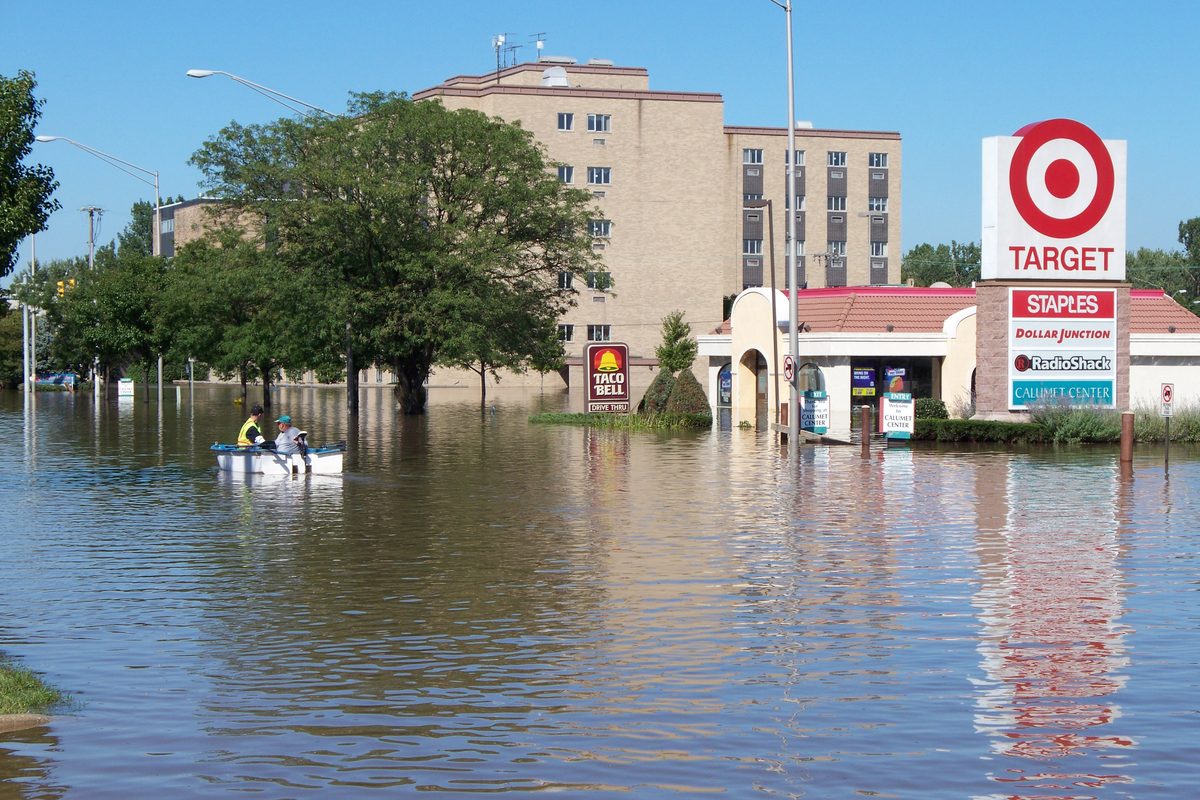
The Little Calumet River crosses the north end of Lake County through Hammond, Munster, Highland, Griffith, and Gary. The first photo on this page is Calumet Avenue in Munster in September 2008. The U.S. Army Corps of Engineers says its Little Calumet River flood project now protects more than 9,500 homes and businesses in those five communities, with more than 22 miles of levees and floodwalls built to protect against a 200 year flood on the west branch, from the Illinois state line to Interstate 65.
A levee lowers the odds. It does not erase them. Houses near the levee and the ditches that feed the river still get the same address check, and some owners carry flood insurance by choice.
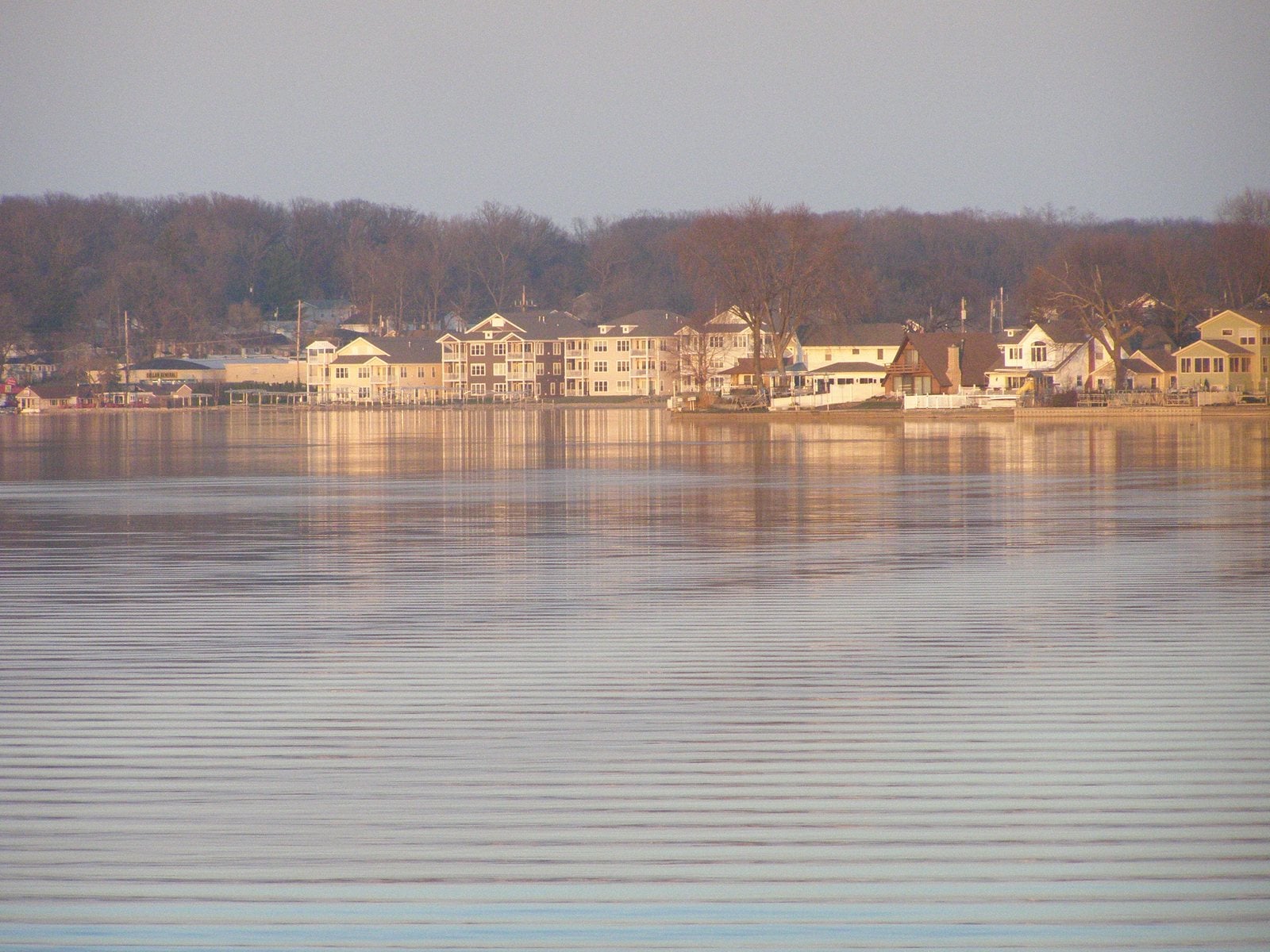
In Cedar Lake, a waterfront lot raises its own questions about the shoreline, the seawall, and insurance. Our magazine, Real Estate USA, covers that in Cedar Lake waterfront or inland.
Checklist
Four steps before you write an offer
Four steps, in the order they come up on a purchase in Lake or Porter County.
Step 1
Look up the address
Run the address on the FEMA Flood Map Service Center and save the panel. If the zone starts with A or V, the lender rule can apply.

Step 2
Read the seller’s disclosure
Find the flood plain answer, any flood damage, water in the basement, and whether the seller pays for flood insurance now.

Step 3
Look at the basement
Check the sump pit and the walls, and ask your inspector about grading and gutters. Ask for the seller’s flood declarations page if there is one.

Step 4
Line up the policy before closing
Get a flood quote during your inspection period. Tell your lender early, and send the application before closing day.
Our buying guide covers the rest of the path, buyer closing costs lists the county fees, and Offer to closing walks you to the table. For the inspection itself, read Home inspections with our shop and the short answer on home inspections. Real Estate USA explains the home inspection contingency, which is your window to get the flood quote.
Lake and Porter County
Same rules in both counties
Flood zones come from the FEMA map, the lender rule is federal, and the seller’s disclosure is a state form. None of that changes between Lake and Porter County. What changes is where the house sits.
Lake County
Buying in Lake County
A Hammond, Munster, Highland, Griffith, or Gary house near the Little Calumet gets the address check first. So does a Crown Point or Cedar Lake house near a creek or the lake.
Porter County
Buying in Porter County
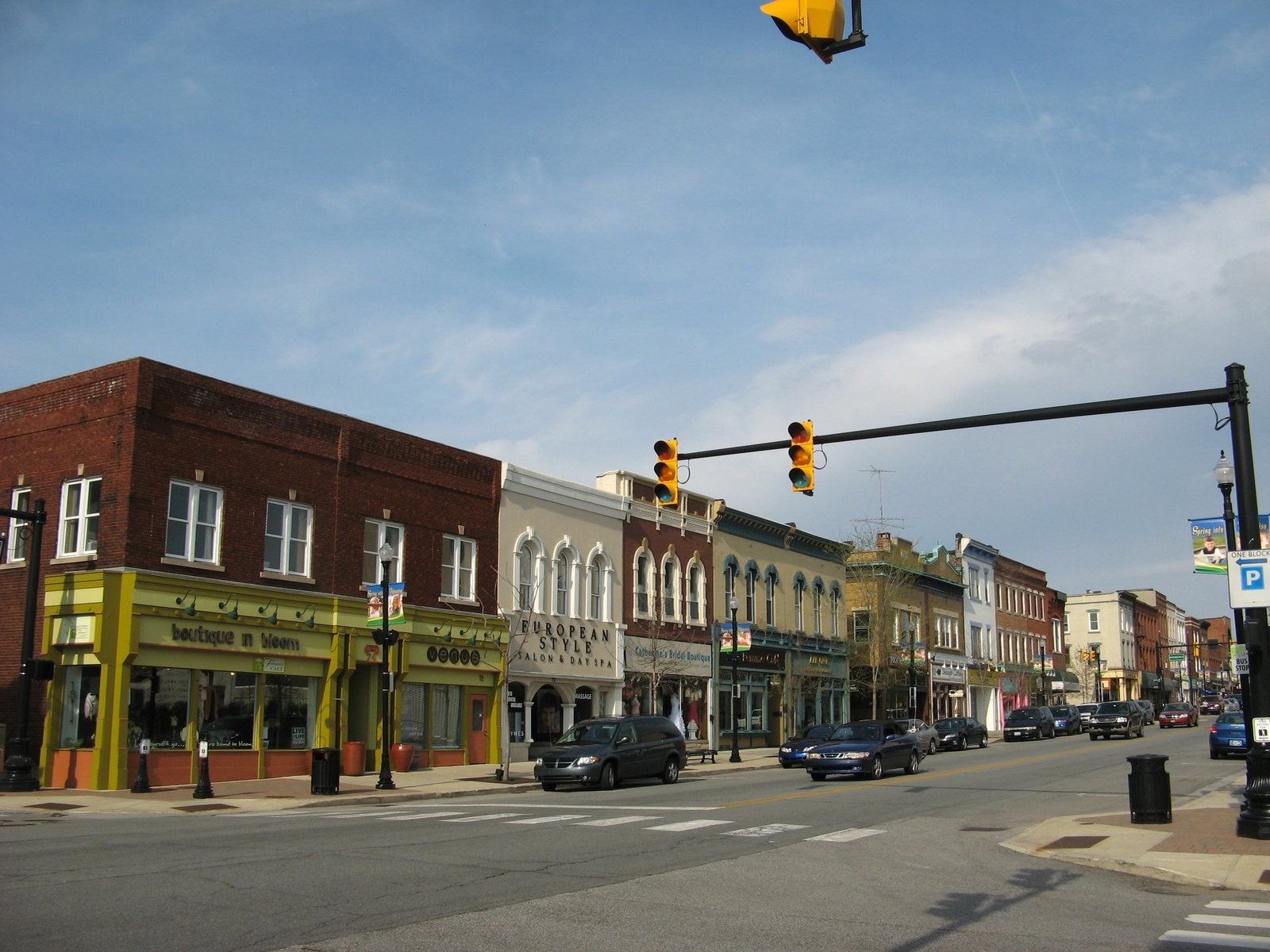
A Valparaiso, Chesterton, or Portage house uses the same FEMA map, the same lender rule, and the same state form.
More towns: Communities | Towns guide. Short answers: Seller’s disclosure, Home inspection, and Buyer closing costs on Ask Realest.
Home search and sold homes for Indiana and Illinois live on Realest.com, not on this site. Search there, then run the flood check on the address before you write an offer.
Buying and moving
Selling one home and buying the next
Selling a home before you buy this one? Start with Sell with Realest and Learn selling. Wondering what your home is worth? Call (219) 801-0432 and we will go over it with you.
Moving too? Our Relocation page helps. Read Learn buying and Learn financing before you write an offer. On the tax side, see the Indiana homestead deduction. Moving from Illinois? Start with the Illinois guide. Buying for the first time? Read the first-time buyer packet.

Living guides on Real Estate USA
Longer reads on buying, lakes, and moving
Real Estate USA publishes living guides on buying, taxes, lake homes, and moving in Northwest Indiana. They are guides, not listings. Home search stays on Realest.com.
Buyer questions
Flood zone FAQ
Can I search homes on this site?
No. Home search and sold homes for Indiana and Illinois are on Realest.com, not on this site. This site has the town pages, the Learn guides, and the shop phone, (219) 801-0432. We are licensed in Indiana and Illinois.
Do I need flood insurance to buy a house in Lake County, Indiana?
Only some houses. If the building sits in a FEMA Special Flood Hazard Area and your mortgage comes from a federally regulated lender, the lender will require flood insurance and has to tell you before closing. Outside that area it is your call, and your lender may still ask.
How do I check if a house is in a flood zone in Northwest Indiana?
Type the address into the FEMA Flood Map Service Center. The Indiana DNR Floodplain Information Portal shows newer state mapping too, but the DNR says that layer cannot be used for flood insurance decisions. The FEMA map is the one your lender reads.
Does an Indiana seller have to disclose a flood zone?
Yes, when the seller knows. Indiana Code 32-21-5-7 says an owner with personal knowledge that all or part of the property is inside a community’s flood plain boundaries on a FEMA Flood Insurance Rate Map has to disclose it. The state form also asks whether the seller pays for flood insurance now.
Is there a waiting period for flood insurance when I buy a house?
A new NFIP policy starts 30 days after you buy it. When you buy it with your mortgage, there is no wait and coverage starts at the loan closing. A seller can also transfer an existing NFIP policy to you, with or without a mortgage.
Can a house be taken out of a flood zone?
Sometimes. If the house or lot sits on natural high ground above the base flood elevation, you can ask FEMA for a Letter of Map Amendment, and FEMA does not charge for that request. If FEMA approves it, you can send the letter to your lender and ask them to drop the flood insurance requirement.
Can a house outside a flood zone still flood?
Yes. FEMA says almost one-third of NFIP flood claims from 2014 to 2024 came from outside the high-risk areas. A lender can require flood insurance outside a Special Flood Hazard Area too. Get a quote on any house near a creek, a ditch, or a lake.
I am buying and moving. Where do I start?
Read Learn buying first. Selling a home too? Start with Sell with Realest and Learn selling. Moving too? Our Relocation page helps.
How do I reach the shop?
Walk in at 112 S. Main St., Suite B, Crown Point, IN 46307, call (219) 801-0432, email saso@realest.com, or use Contact. Hours are 9 a.m. to 8 p.m. daily.
Ready for a human?
Found a house? Check the map, then call the shop.
An insurance agent quotes the policy and FEMA handles map changes. We help with everything else. Call the shop when you want a Realtor to walk the flood check and the rest of the offer with you. Search homes on Realest.com any time.
Realest112 S. Main St., Suite B
Crown Point, IN 46307
Phone: (219) 801-0432
Email: saso@realest.com
Hours: 9 a.m. to 8 p.m. daily
Love Thy Neighbor
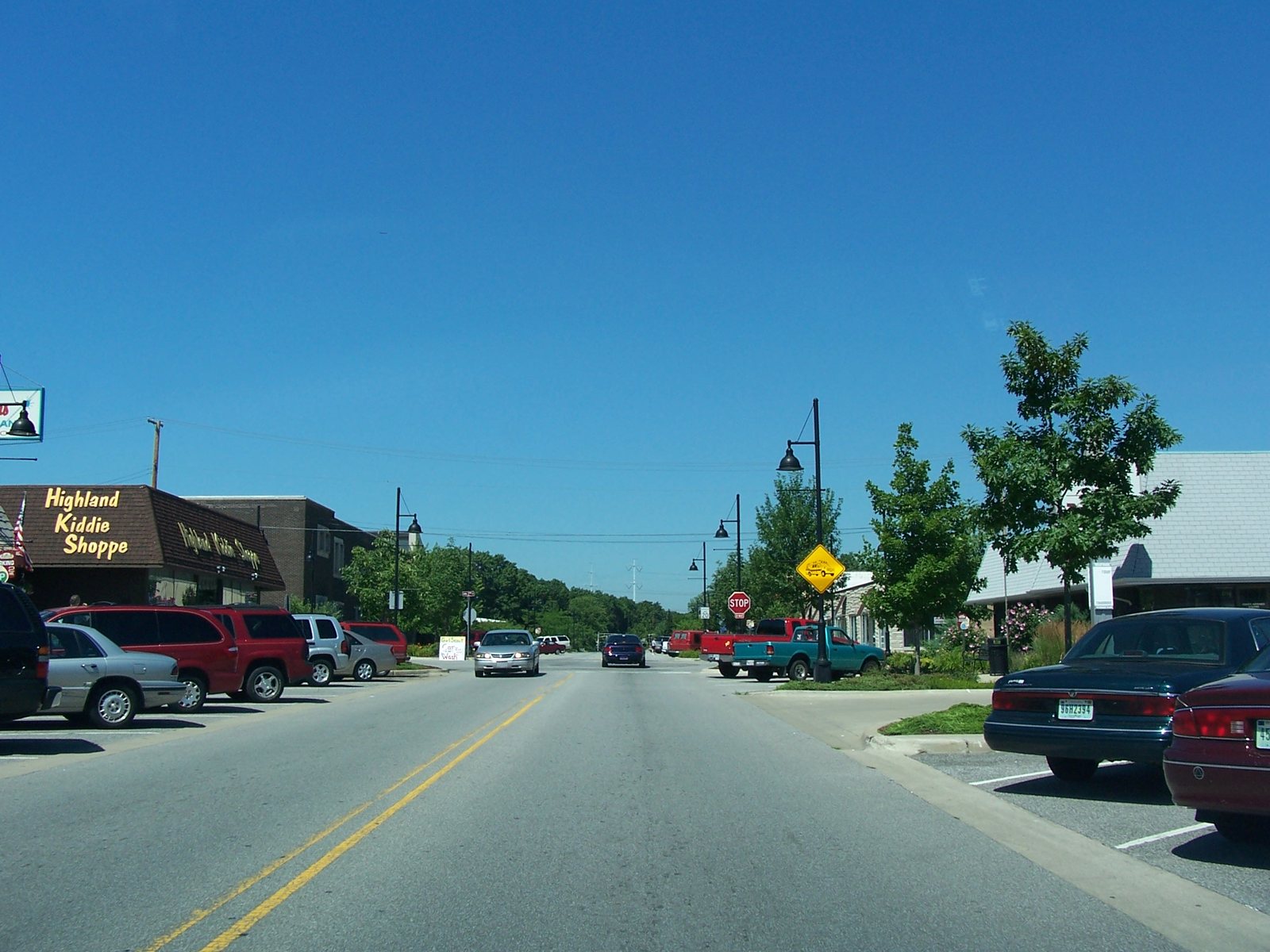
Hero photo: Calumet Avenue in Munster, September 13, 2008, by Leo Skinner, FEMA, public domain, cropped, via Wikimedia Commons. Highland street photo: Aneekr at English Wikipedia, via Wikimedia Commons, CC BY-SA 3.0. Cedar Lake photo: Chris Light, via Wikimedia Commons, CC BY-SA 4.0. Valparaiso street photo: hakkun, via Wikimedia Commons, CC BY-SA 3.0.
Keep reading
More from Learn
Want the bigger picture? The Learn hub has our five main guides for buying, selling, financing, towns, and Illinois.
Search homes on Realest.com | Learn | Learn buying | Seller’s disclosure | Buyer closing costs | Homestead deduction | Financing | Learn selling | Sellers guide | Relocation guide | Towns guide | Illinois guide | Communities | Buy | Ask | Contact
Disclaimer: This page is general information for buyers in Lake and Porter County. It is not insurance or legal advice. The flood map and insurance rules come from FEMA and the NFIP, the state mapping note comes from the Indiana DNR, and the seller rules come from Indiana Code 32-21-5 and State Form 46234. Checked in October 2026. Confirm your situation with your lender, an insurance agent, or a real estate attorney.