Guides from the shop
Radon Testing in Lake County, Indiana and Porter County
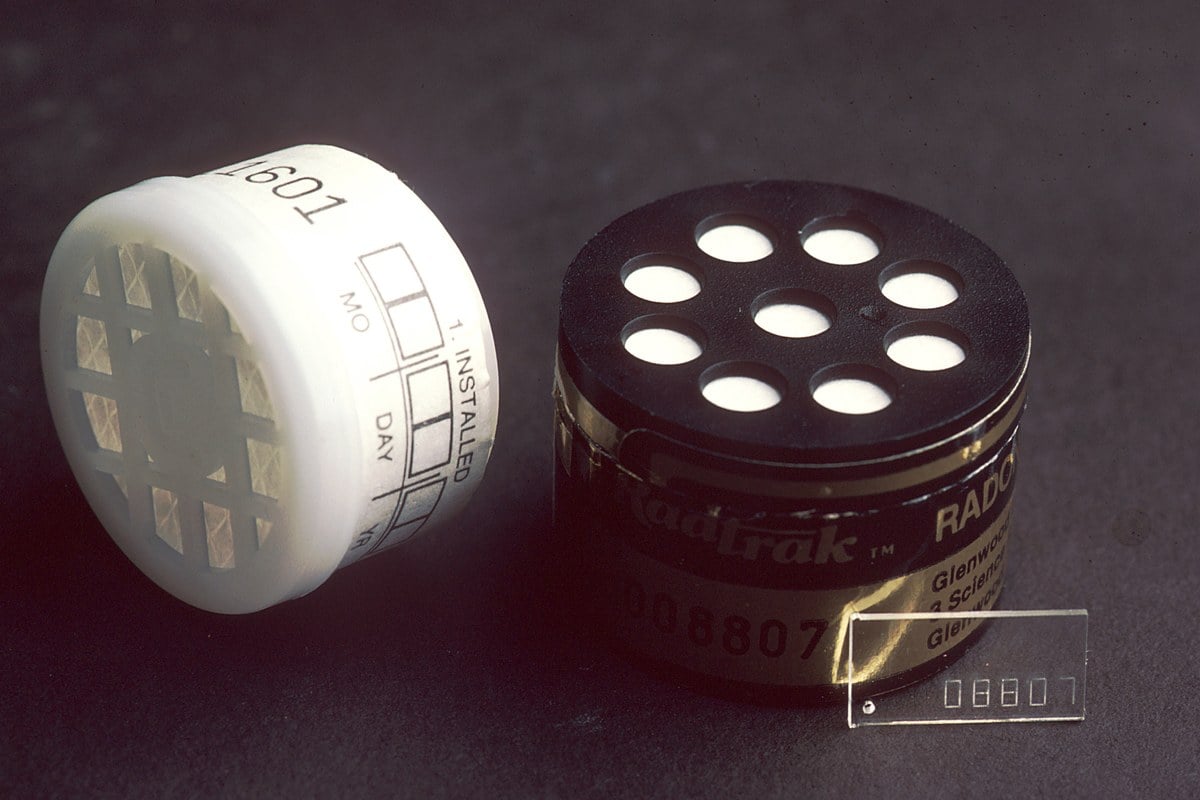
Radon is a colorless, odorless gas. The only way to know the level in a house is to test. Ask for a radon test during your inspection window when you buy in Lake County or Porter County. This is general information, not medical, legal, or inspection advice.
We’re the shop at 112 S. Main St., Suite B, Crown Point. Love Thy Neighbor. Call (219) 801-0432.
Check every house, not the map
The U.S. Environmental Protection Agency (EPA) Map of Radon Zones ranks counties by predicted average indoor radon. It should not decide whether one house needs a test. Homes with high radon show up in every zone, so test every home (EPA Indiana map PDF).
Lake County and Porter County sit in Zone 2, the moderate band, on the EPA county list. Indiana has no Zone 3 low counties. That still does not clear any single address. Run the test.
What the number means
The EPA action level is 4 picocuries per liter of air (pCi/L). Fix the home at or above 4. Consider fixing when the level is from 2 to 4 (EPA Map of Radon Zones). Radon is colorless and odorless, so the reading is the only signal (Indiana Department of Health radon brochure, July 2023).
How a real estate test works in Indiana
Testing and mitigation are not required in Indiana real estate deals, but the Indiana Department of Health (IDOH) highly recommends testing. For a transaction, hire a certified professional so you get an unbiased third party (IDOH brochure).
Indiana Radon Rule 410 IAC 5.1 says residential testers and mitigators must be certified by the Indiana State Department of Health. Hire a Primary or Secondary Radon Tester for a real estate test. Use the state list of certified testers and mitigators.
Real estate tests need closed house conditions and run for a minimum of 48 hours. IDOH lists two ways to run it: a continuous monitor, or two short term kits placed at the same time. Test the lowest occupiable level. If the house has both a crawl space and a basement, include every occupiable foundation type (IDOH brochure).
If the reading is high
When the number is at or above 4 pCi/L, the IDOH brochure names active soil depressurization as the fix: a certified mitigator installs a pipe and fan that pulls soil gas out and vents it outdoors. Seal foundation cracks and openings as part of the job. Retest after the system is in (IDOH brochure). Ask the mitigator to walk you through the parts and the follow up test before you sign.
When to ask
Put radon on your inspection list inside the inspection contingency window. That is your time to test, read the number, and decide next steps before you are locked in. Real Estate USA covers that window in its home inspection contingency guide. Our home inspection Ask page covers what else buyers check in this market.
Towns we work
We help buyers across Lake County and Porter County, including Crown Point, Munster, Highland, Schererville, St. John, Valparaiso, Merrillville, and Cedar Lake. The map zone is the same in every one of these towns. The test is what tells you about the house.
Before you write an offer
- Ask for a radon test in your inspection contingency.
- Hire an Indiana certified Primary or Secondary Radon Tester.
- Confirm closed house conditions and a minimum 48 hour run.
- Test the lowest occupiable level and every occupiable foundation type.
- Know the EPA action level of 4 pCi/L before you read the report.
- If the reading is high, get bids from certified mitigators and plan a retest.
Our buying guide covers the rest of the path, our buyer closing costs page lists the county fees, and our flood zones page covers the related environmental check. Search homes on Realest.com.
Questions buyers ask
Is radon testing required when you buy a house in Indiana?
No. Radon testing and mitigation are not required in Indiana real estate deals, but the Indiana Department of Health highly recommends testing. For a deal, hire a certified professional so you get an unbiased third party. We are licensed in Indiana and Illinois.
What radon number means I should fix the house?
The EPA action level is 4 picocuries per liter of air (pCi/L). Fix the home at or above 4. Consider fixing when the level is from 2 to 4. The only way to know the number is to run a test.
Who can run a radon test for a real estate deal in Indiana?
Indiana Radon Rule 410 IAC 5.1 says residential testers and mitigators must be certified by the Indiana State Department of Health. For a real estate test, hire a Primary or Secondary Radon Tester from the state list.
How long does a real estate radon test take?
Real estate tests need closed house conditions and run for a minimum of 48 hours. The Indiana Department of Health (IDOH) lists two ways to run it: a continuous monitor, or two short term kits at the same time. Test the lowest occupiable level, and cover every occupiable foundation type if the house has both a crawl space and a basement.
Do Lake County and Porter County homes need a radon test?
Yes, test every home. The EPA Map of Radon Zones puts Lake County and Porter County in Zone 2, the moderate band, and Indiana has no Zone 3 low counties. The map is for planning, not for deciding whether one house needs a test. Homes with high radon show up in every zone.
Sources
Found a house? Ask for the radon test, then call the shop.
Search homes on Realest.com
What is my home worth?
Call (219) 801-0432